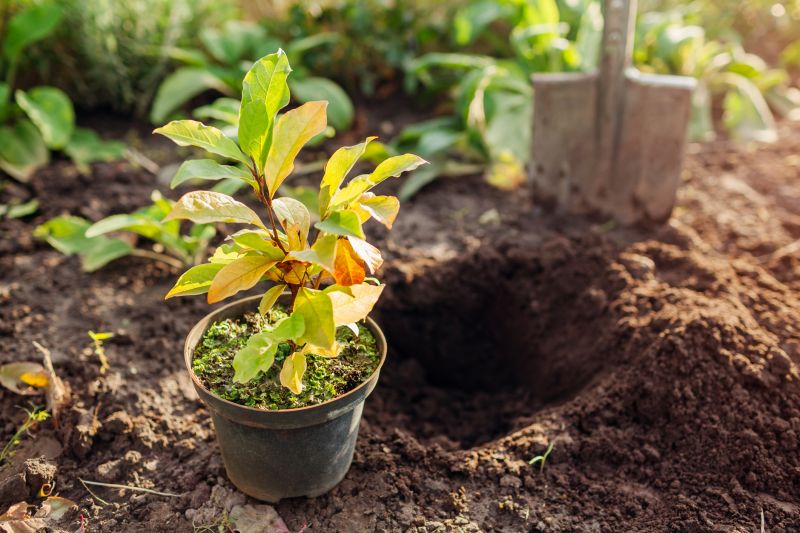
Plant Replacement in Honolulu, HI
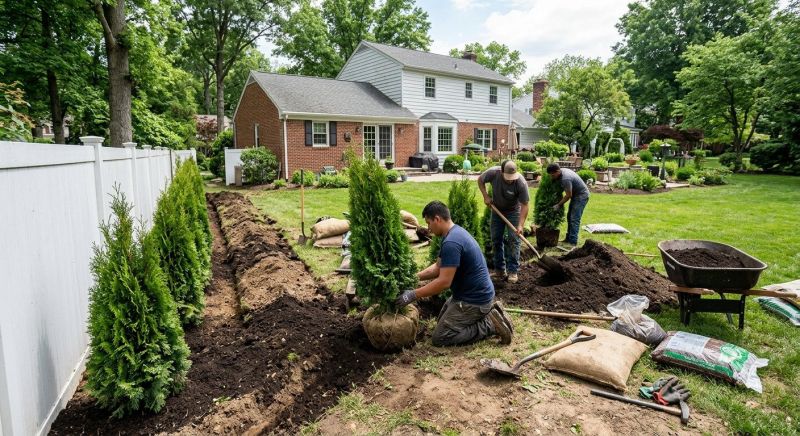
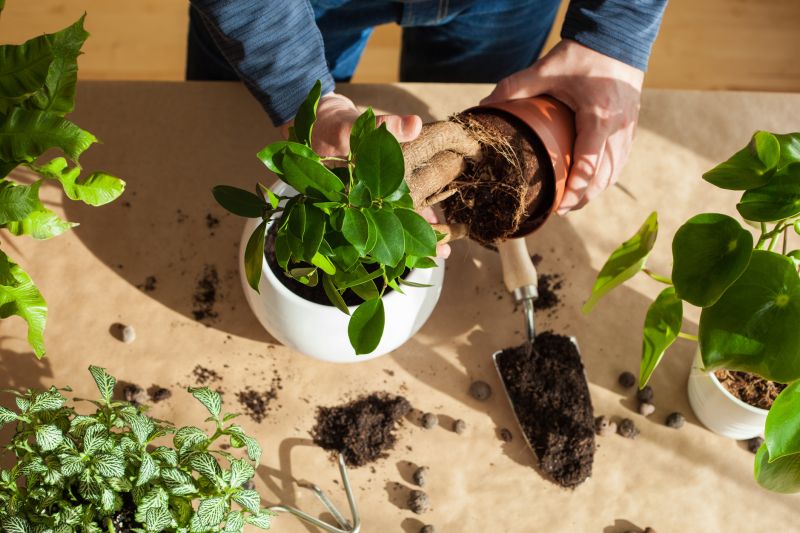
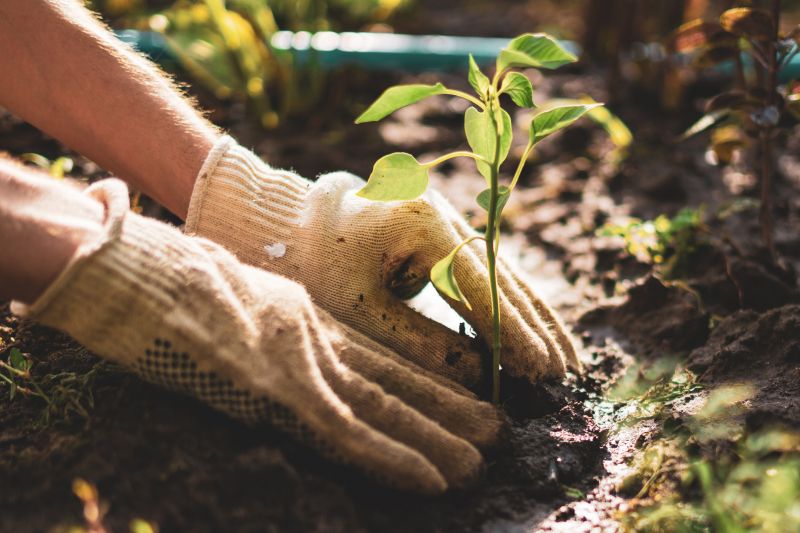
Plant replacement services involve removing existing plants, such as trees, shrubs, or flowers, and installing new vegetation to enhance the appearance and health of a property. This service covers a variety of projects, including replacing dead or damaged plants, updating landscaping designs, or refreshing garden beds with new greenery. Homeowners typically request plant replacement to improve curb appeal, address plant health issues, or adapt their landscape to changing preferences or environmental conditions.
Before requesting plant replacement, property owners often want to understand the types of plants suitable for their specific climate and soil conditions, as well as the maintenance requirements of different species. It’s also helpful to consider the overall landscape design and how new plants will complement existing features. Clarifying these details can ensure the selected plants will thrive and meet aesthetic or functional goals for the property.
Many property owners in Honolulu, HI look into Plant Replacement for repairs, replacements, upgrades, and appearance-related improvements.
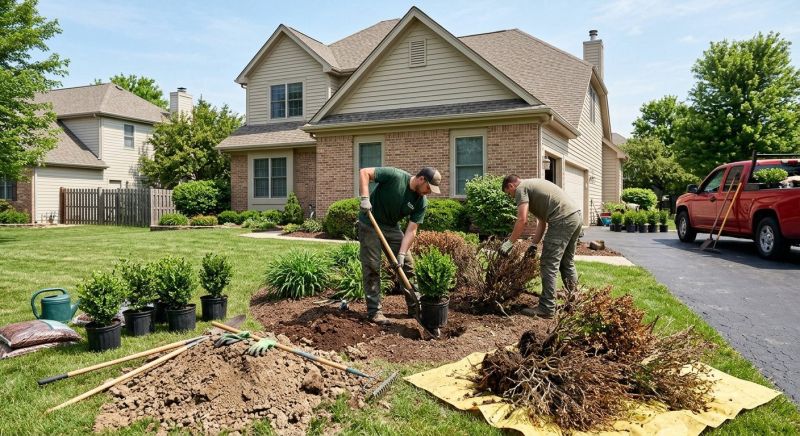
Plant Replacement Benefits
Updating old or damaged plants enhances the beauty and health of your landscape.
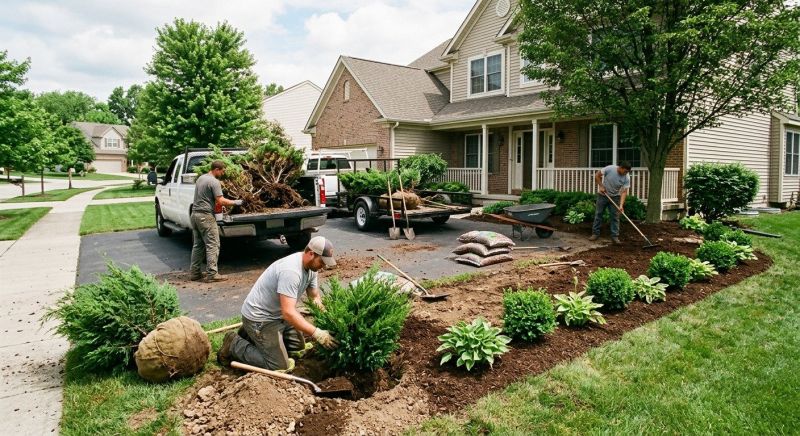
Common Replacement Situations
Plant replacements are often needed after storms, disease, or when plants outgrow their space.
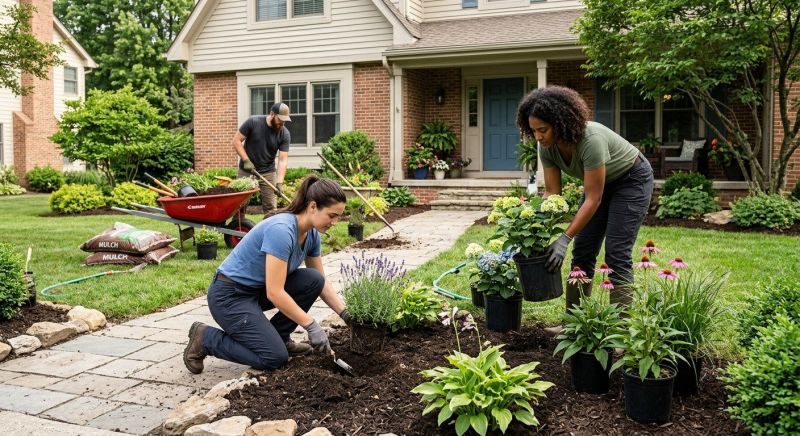
Choosing The Right Plants
Selecting suitable species ensures long-lasting and attractive additions to your honolulu property.
Plant Replacement in Honolulu, HI

Plant replacement services involve removing existing plants, such as trees, shrubs, or flowers, and installing new vegetation to enhance the appearance and health of a property. This service covers a variety of projects, including replacing dead or damaged plants, updating landscaping designs, or refreshing garden beds with new greenery. Homeowners typically request plant replacement to improve curb appeal, address plant health issues, or adapt their landscape to changing preferences or environmental conditions.
Before requesting plant replacement, property owners often want to understand the types of plants suitable for their specific climate and soil conditions, as well as the maintenance requirements of different species. It’s also helpful to consider the overall landscape design and how new plants will complement existing features. Clarifying these details can ensure the selected plants will thrive and meet aesthetic or functional goals for the property.
Many property owners in Honolulu, HI look into Plant Replacement for repairs, replacements, upgrades, and appearance-related improvements.
Common Plant Replacement Jobs
Tree Replacement - involves removing old or hazardous trees and planting new ones to enhance landscape health.
Shrub Replacement - includes removing overgrown or damaged shrubs and installing new ones for aesthetic appeal.
Fruit Tree Replacement - replaces aging or unproductive fruit trees to support ongoing harvests.
Ornamental Plant Replacement - updates faded or diseased ornamental plants to improve curb appeal.
Landscape Plant Replacement - involves swapping out outdated or unhealthy landscape plants for fresh, thriving options.
Seasonal Plant Replacement - includes replacing seasonal flowers and plants to maintain vibrant outdoor spaces year-round.
Plant Replacement Questions
When should a plant be replaced? Replacement is recommended when a plant shows signs of decline, disease, or has outgrown its space, affecting the property's appearance or health.
What types of plants are suitable for replacement? Hardy, low-maintenance plants that thrive in Honolulu’s climate are commonly chosen for replacement projects.
How can I prepare for a plant replacement service? Clearing the area around the existing plant and removing any debris helps facilitate a smooth replacement process.
Will the new plant require special care? Proper watering, mulching, and occasional pruning support healthy growth and longevity of the new plant.
Request Plant Replacement in Honolulu, HI
Use the quote form on this page to share the basics of your project and request more information for the type of work you need.